
Coronary Artery Disease
Coronary Artery Disease Treatment in Clear Lake and Texas City

What Is Coronary Artery Disease?
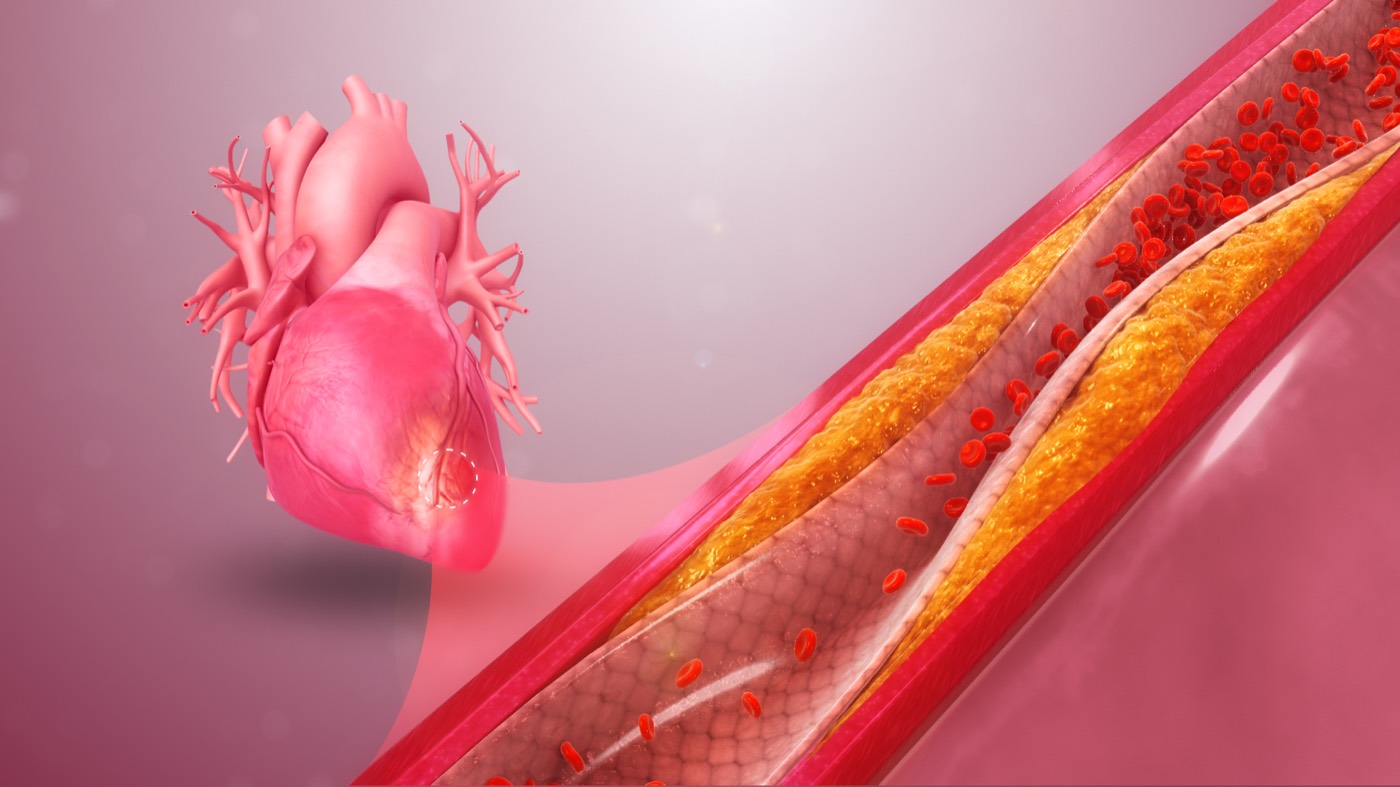
Coronary artery disease is narrowing of the coronary arteries, the blood vessels that carry oxygen-rich blood to the heart muscle. The narrowing comes from plaque, a buildup of cholesterol and other material inside the artery wall, a process called atherosclerosis. As an artery narrows, less blood reaches the part of the heart it supplies.
The CDC calls it the most common type of heart disease in the United States.1 About 1 in 20 adults age 20 and older have it, and coronary heart disease, another name for the same condition, killed 371,506 people in 2022.2
What Are the Symptoms of Coronary Artery Disease?
The classic symptom is angina, chest pain caused by the heart not getting enough blood. The NHLBI describes it as pressure, squeezing, tightness, or burning.3 It usually shows up with effort, such as climbing stairs, walking uphill, or carrying something heavy, and eases within minutes of resting. At rest the heart needs less blood, so a partly blocked artery can keep up. With exertion the demand rises past what it can deliver.
Other symptoms that appear with exertion:
- Shortness of breath that is new for the amount of effort
- Neck, shoulder, or arm discomfort
- Doing less than you used to, because chest discomfort, breathlessness, or fatigue stops you partway
The CDC lists weakness, lightheadedness, nausea, and a cold sweat among the symptoms of a heart attack.1 With chest discomfort, or when they come on suddenly, those are a 911 call.
Women’s symptoms can differ. The NHLBI notes that women are somewhat less likely than men to have chest pain with a heart attack, and more likely to have dizziness, extreme tiredness, or nausea.3 If these come on suddenly or last more than a few minutes, call 911, even without chest pain.
Some people have no symptoms at all. The NHLBI calls this silent disease.3 The CDC notes that a heart attack can be the first sign.1
Our chest pain page covers how cardiac chest pain differs from causes that aren’t the heart, and our blog has a shorter overview of coronary artery disease .
What Causes Coronary Artery Disease?
The CDC lists being overweight, physical inactivity, unhealthy eating, and smoking as risk factors, and notes that a family history of heart disease raises risk too.1 Several medical conditions also raise risk:5
- High blood pressure , which damages the artery lining over time
- High cholesterol , particularly LDL, the particles that carry cholesterol into the artery wall, where it builds into plaque
- Diabetes, which damages blood vessels throughout the body
Risk also rises with age, since plaque accumulates over decades.
Risk factors add up: someone with high blood pressure, diabetes, and a smoking history carries more risk than any one of those alone suggests. A parent or sibling who had a heart attack or stent at a young age is worth telling your physician about. Our Heart Q&A explains what counts as an early family history.
When Should You See a Cardiologist?
Book an evaluation when:
- Chest pressure, tightness, or shortness of breath comes on with effort and eases with rest. That pattern is the one most suggestive of a narrowed artery.
- You can do less than you could a few months ago and nothing else explains it.
- You already have coronary artery disease or a stent and symptoms are coming back.
- A test came back abnormal, such as an ECG, stress test, or coronary calcium score your primary care physician ordered.
- You have several risk factors or early heart disease in your family, even without symptoms.
Chest discomfort that comes on at rest, lasts more than a few minutes, or keeps getting worse needs a 911 call. Do not wait for an appointment.
How Is Coronary Artery Disease Diagnosed?
We start with your history: what you feel, what brings it on, how long it lasts, and what makes it stop. Then we choose tests based on what your symptoms suggest. Bring a list of your medications and any prior test results or hospital records to your first visit. An older ECG or catheterization report shows what has changed since.
- An ECG , also called an EKG, a tracing of the heart’s electrical activity. It can show signs of reduced blood flow or a previous heart attack.
- An echocardiogram , an ultrasound of the heart that shows how well each wall of the heart muscle is moving.
- A stress test , which watches the heart under exertion, on a treadmill or with medication. Reduced blood flow that doesn’t show at rest often appears during the test.
- A coronary calcium score , a CT scan that measures calcified plaque in the coronary arteries. It is used mainly in people without symptoms, to see whether calcified plaque has already formed.
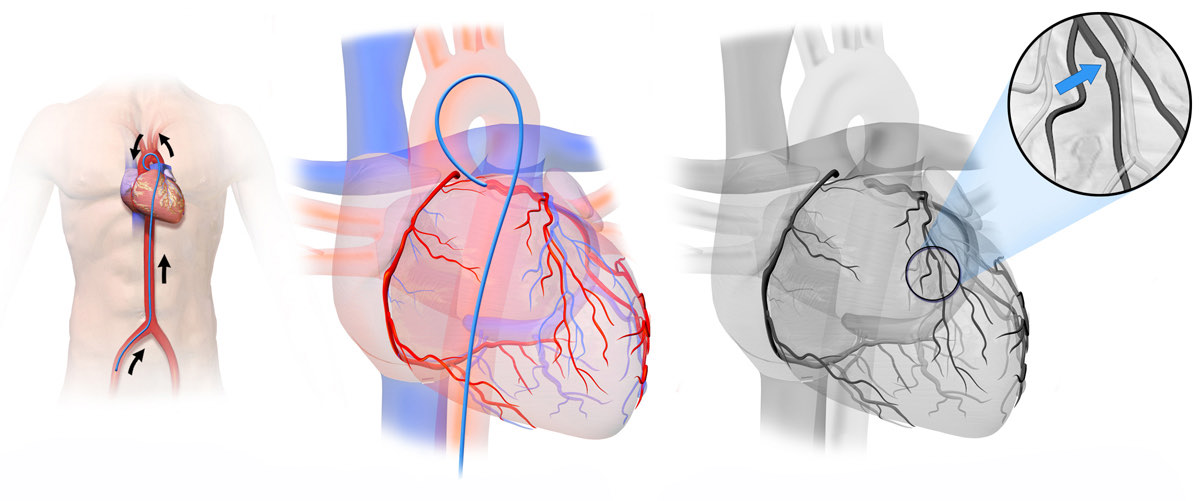
- Cardiac catheterization , a procedure that threads a thin tube through a blood vessel in the wrist or groin to the heart and injects dye to show where and how severely an artery is narrowed.
How Is Coronary Artery Disease Treated?
Medication and lifestyle changes are the base of treatment for coronary artery disease, and they continue whether or not a procedure is ever needed. The NHLBI lists medicines including:4
- Cholesterol-lowering medicines: statins, plus non-statin options such as ezetimibe
- Blood pressure medicines: ACE inhibitors, beta blockers, angiotensin receptor blockers, and calcium channel blockers
- Blood thinners: low-dose aspirin when your physician recommends one, and after a stent, a second antiplatelet medicine taken with aspirin (dual-antiplatelet therapy)
- Nitrates such as nitroglycerin, which relieve angina
- Blood sugar medicines: SGLT2 inhibitors and others, for people with diabetes
Lifestyle changes go alongside them: stopping tobacco, eating a heart-healthy diet, staying active, and managing weight. The CDC describes cardiac rehabilitation, a supervised program of exercise and education, as an important part of recovering from a heart attack or heart procedure.1
When a narrowed artery is causing symptoms that medication doesn’t control, or testing shows a narrowing severe enough to treat, the artery can be opened. Angioplasty with a stent uses a small balloon to widen the artery from inside, then leaves a stent, a small mesh tube, to hold it open.4 Because Dr. Patel is an interventional cardiologist, the catheterization that finds the blockage and the stent that opens it can be done by the same physician where clinically appropriate.
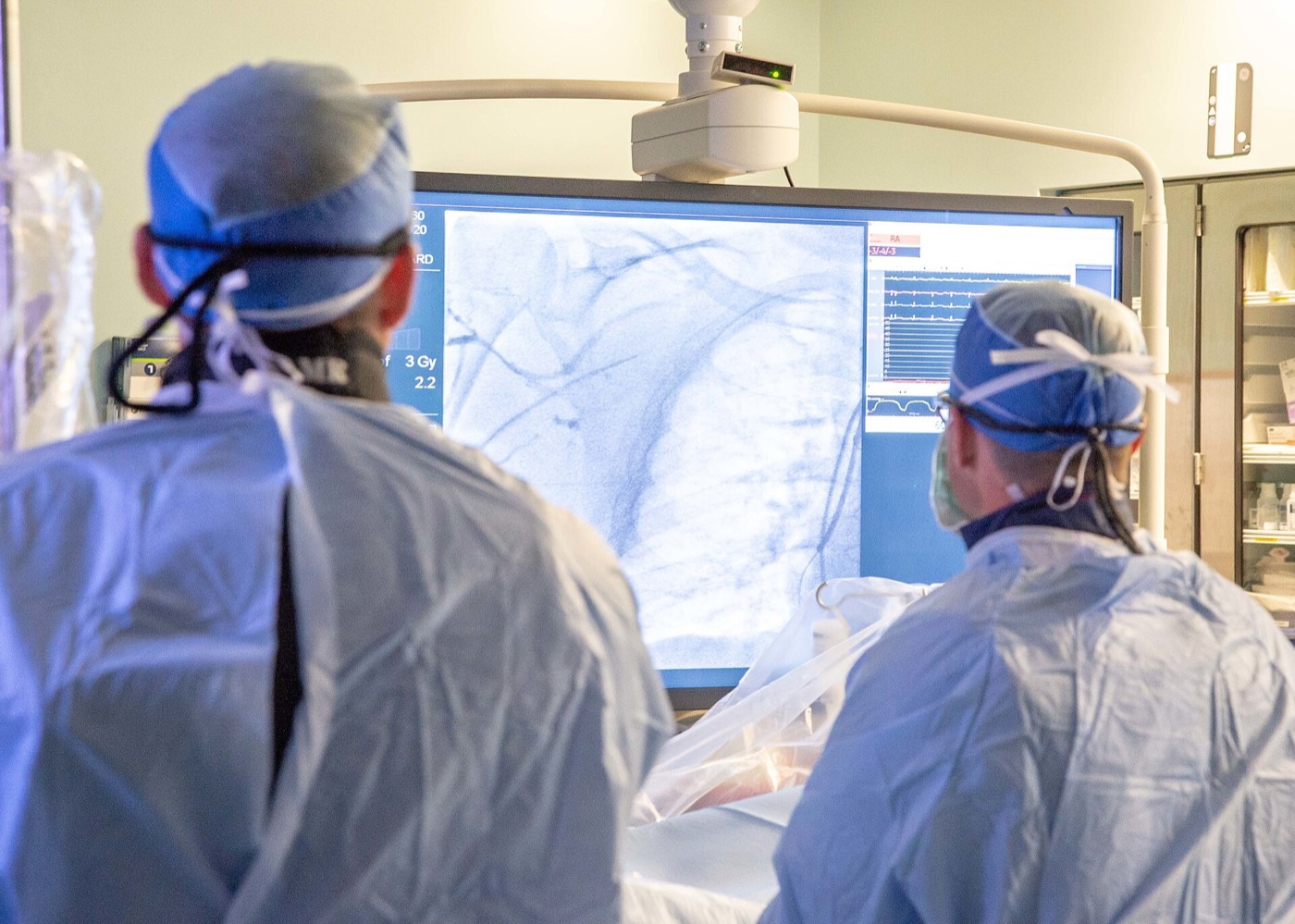
For severe disease in several arteries, the NHLBI notes that surgeons typically use bypass surgery, which reroutes blood around the blockages using arteries or veins from elsewhere in the body.4
How Is Coronary Artery Disease Managed Long Term?
Coronary artery disease is managed over years. Take medications every day, including on days you feel fine, and don’t stop a blood thinner after a stent without talking to your cardiologist first. Follow-up visits track your blood pressure, cholesterol, and symptoms, and repeat testing is done when something changes.
Frequently asked questions
Common questions about coronary artery disease.
Can you have coronary artery disease with no symptoms?
Are coronary artery disease symptoms different in women?
Does a blockage always need a stent?
Does a stent cure coronary artery disease?
Which insurance plans do you accept?
Sources
- Centers for Disease Control and Prevention. About Coronary Artery Disease (CAD). Updated May 2024. cdc.gov
- Centers for Disease Control and Prevention. Heart Disease Facts. Updated October 2024. cdc.gov
- National Heart, Lung, and Blood Institute. Coronary Heart Disease: Symptoms. Updated December 2024. nhlbi.nih.gov
- National Heart, Lung, and Blood Institute. Coronary Heart Disease: Treatment. Updated December 2024. nhlbi.nih.gov
- Centers for Disease Control and Prevention. Heart Disease Risk Factors. Updated December 2024. cdc.gov
Header image: scientificanimations.com via Wikimedia Commons, CC BY-SA 4.0
Worried About Your Arteries?
Tell us what's going on, and we'll call you to set up a visit.
Most appointments are scheduled within 1 to 3 days.
(409) 945-5444Denotes a required field