

Atrial Fibrillation
Atrial Fibrillation Treatment in Clear Lake City and Texas City

What Is Atrial Fibrillation?
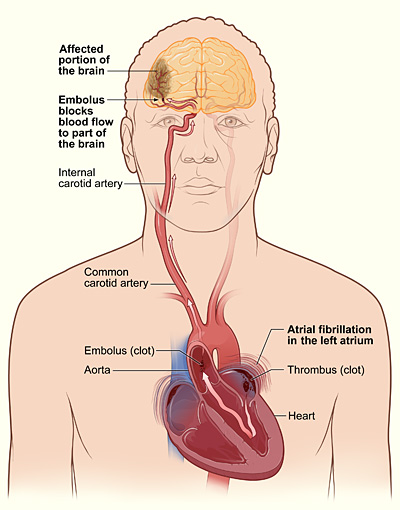
Atrial fibrillation, often shortened to AFib, is an irregular and often fast heartbeat that starts in the atria, the heart’s 2 upper chambers. Disorganized electrical signals make the atria quiver instead of squeezing, so the upper and lower chambers stop working together. Blood can pool in the heart as a result, which raises the risk of clots and stroke.2
The NHLBI groups AFib by how long episodes last:3
- Paroxysmal: episodes that usually stop in less than 24 hours but can last up to a week
- Persistent: the irregular rhythm lasts more than a week
- Long-term persistent: it lasts more than a year
- Permanent: attempts to restore a normal rhythm haven’t worked
What Does Atrial Fibrillation Feel Like?
The NHLBI lists fatigue as the most common symptom.4 Others include:
- Palpitations, the feeling that your heart is skipping, fluttering, pounding, or racing
- Shortness of breath, especially when lying down or exercising
- Dizziness, lightheadedness, or fainting
- Chest pain
AFib often causes no symptoms at all, so it may first show up on an ECG at a routine visit or on a wearable device.4
Why Is Atrial Fibrillation Dangerous?
The main danger is stroke. When the atria fibrillate, blood moves sluggishly through them and can form a clot, often in the left atrial appendage, a small pouch off the left atrium. If a piece of that clot breaks loose, it can travel to the brain.
The CDC reports that, after accounting for other stroke risk factors, AFib was linked to about 5 times the risk of ischemic stroke, the kind caused by a blockage. AFib causes about 1 in 7 strokes, and those strokes tend to be more severe than strokes from other causes.1 Left untreated, AFib can also lead to heart failure.4
Know the signs of a stroke. The CDC lists these, all of them sudden:8
- Numbness or weakness in the face, arm, or leg, especially on one side
- Confusion, trouble speaking, or trouble understanding speech
- Trouble seeing
- Trouble walking, dizziness, loss of balance, or lack of coordination
- A severe headache with no known cause
Call 911 right away and note the time the symptoms started. Do not drive to the hospital or let someone else drive you.
What Causes Atrial Fibrillation?
AFib most often comes from changes to the heart’s tissue or electrical system caused by other conditions such as high blood pressure and coronary artery disease.5 The CDC reports that high blood pressure accounts for about 1 in 5 cases.1 Risk also rises with age, especially after 65.5
The CDC1 and NHLBI5 list these risk factors:
- High blood pressure
- Coronary artery disease , narrowing of the arteries that feed the heart muscle
- Heart failure
- Diabetes
- Overweight and obesity
- Sleep apnea and other sleep problems
- Hyperthyroidism, an overactive thyroid
- Chronic kidney disease
- Alcohol, particularly heavy or binge drinking, though modest amounts can trigger episodes in some people
- Smoking
- A family history of atrial fibrillation
When Should You See a Cardiologist?
Book an evaluation when:
- An ECG or a wearable device flagged an irregular rhythm, even if you feel fine.
- Palpitations come and go, especially with tiredness, breathlessness, or lightheadedness.
- You’ve been diagnosed and episodes are getting longer or more frequent, or your resting heart rate stays above 100 beats per minute.
- You take a blood thinner and have a procedure coming up or questions about bleeding.
Chest pain, fainting, severe shortness of breath, or any sign of a stroke needs a 911 call. Do not wait for an appointment.
How Is Atrial Fibrillation Diagnosed?
We start with what you’ve noticed: what the episodes feel like, how long they last, and what was happening when they started. Bring a list of your medications and supplements, any prior ECGs or hospital records, and any rhythm recordings from a watch or phone. Then we choose from these tests:6
- An ECG , also called an EKG, a tracing of the heart’s electrical activity. It confirms AFib if an episode is happening during the test, and we do it in our offices in Clear Lake City and Texas City.
- A Holter monitor , a portable ECG worn for days at a time, which records AFib that comes and goes. For rarer episodes, an event monitor can be worn longer, and an implanted device can record for months.
- An echocardiogram , an ultrasound of the heart that shows the valves, the size of each chamber, and how well the heart pumps. A transesophageal echocardiogram, taken from a probe passed down the throat, checks for clots in the upper chambers.
- Blood tests for potassium and thyroid hormone, since an overactive thyroid can drive AFib.
- A stress test , which watches the heart’s activity under exertion, when symptoms suggest coronary artery disease alongside the AFib.
When Chest Pain Comes With AFib
Chest pain can come from a fast AFib rate itself.4 But because AFib and coronary artery disease share risk factors, chest pain that comes on with exertion and eases with rest can mean a narrowed artery. Chest pain that is new, severe, or doesn’t ease is a 911 call. Dr. Patel is an interventional cardiologist, so if testing points to a blockage, the same physician can perform the cardiac catheterization that finds it and, where clinically appropriate, the stent that opens it.
How Is Atrial Fibrillation Treated?
Treatment has 3 jobs: lowering stroke risk, controlling the heart rate, and, for some people, restoring a normal rhythm. Lifestyle changes and treating conditions such as high blood pressure and sleep apnea run alongside all of it.7
Lowering Stroke Risk
Blood thinners prevent clots and lower the risk of stroke. They include warfarin and a newer group called direct-acting oral anticoagulants (DOACs): apixaban, dabigatran, rivaroxaban, and edoxaban. All of them raise the risk of bleeding.7 Not everyone with AFib needs one. The choice comes down to how likely a clot is for you compared with how likely a bleed is, and we revisit it as those change.
For people who can’t take a blood thinner long term, left atrial appendage closure seals off the pouch to prevent clots from forming there. The NHLBI notes it can be difficult to close the appendage completely, and any leak leaves some clotting risk.7
Controlling the Heart Rate
Beta blockers and calcium channel blockers slow how fast the lower chambers pump, even when the rhythm stays irregular.7
Restoring a Normal Rhythm
Whether to aim for a normal rhythm depends on your symptoms, how long you’ve had AFib, and your other conditions. The options:
- Rhythm-control medicines, some taken daily and some only when an episode starts. Some can make an arrhythmia worse.7
- Electrical cardioversion, which restores the heart’s rhythm with low-energy shocks.7 It’s done under sedation.
- Catheter ablation, which destroys the small area of tissue causing the irregular signals. It isn’t always successful and carries rare risks such as infection, bleeding, and stroke.7 Ablation is performed by an electrophysiologist, a cardiologist who specializes in heart rhythm.
- A pacemaker, typically only when AFib is diagnosed along with another rhythm problem, such as a heart rate that runs too slow.7
Living With Atrial Fibrillation
The NHLBI notes that reaching a healthy weight can reduce how often episodes occur and how severe they are. It also advises limiting alcohol and stimulants, staying active, quitting smoking, and eating to lower blood pressure, such as with the DASH eating plan.7
If you take a blood thinner, take it exactly as prescribed without skipping doses, tell every doctor and dentist who treats you, and don’t stop it before a procedure without asking the physician who prescribed it. Follow-up visits track your heart rate, symptoms, and blood pressure, and an ECG or monitor is repeated when something changes.
Frequently asked questions
Common questions about atrial fibrillation.
Can atrial fibrillation go away on its own?
Does everyone with atrial fibrillation need a blood thinner?
Can a smartwatch detect atrial fibrillation?
Can I drink alcohol if I have atrial fibrillation?
Which insurance plans do you accept?
Sources
- Centers for Disease Control and Prevention. About Atrial Fibrillation. Updated May 2024. cdc.gov
- National Heart, Lung, and Blood Institute. What Is Atrial Fibrillation? Updated November 2022. nhlbi.nih.gov
- National Heart, Lung, and Blood Institute. Atrial Fibrillation: Types. Updated November 2022. nhlbi.nih.gov
- National Heart, Lung, and Blood Institute. Atrial Fibrillation: Symptoms. Updated November 2022. nhlbi.nih.gov
- National Heart, Lung, and Blood Institute. Atrial Fibrillation: Causes and Risk Factors. Updated November 2022. nhlbi.nih.gov
- National Heart, Lung, and Blood Institute. Atrial Fibrillation: Diagnosis. Updated November 2022. nhlbi.nih.gov
- National Heart, Lung, and Blood Institute. Atrial Fibrillation: Treatment. Updated November 2022. nhlbi.nih.gov
- Centers for Disease Control and Prevention. Signs and Symptoms of Stroke. Updated May 2026. cdc.gov
Header image: Shixart1985 via Wikimedia Commons, CC BY 2.0
Heartbeat Feeling Irregular?
Tell us what's going on, and we'll call you to set up a visit.
Most appointments are scheduled within 1 to 3 days.
(409) 945-5444Denotes a required field