
High Cholesterol
High Cholesterol Care in Texas City and Clear Lake

What Is High Cholesterol?
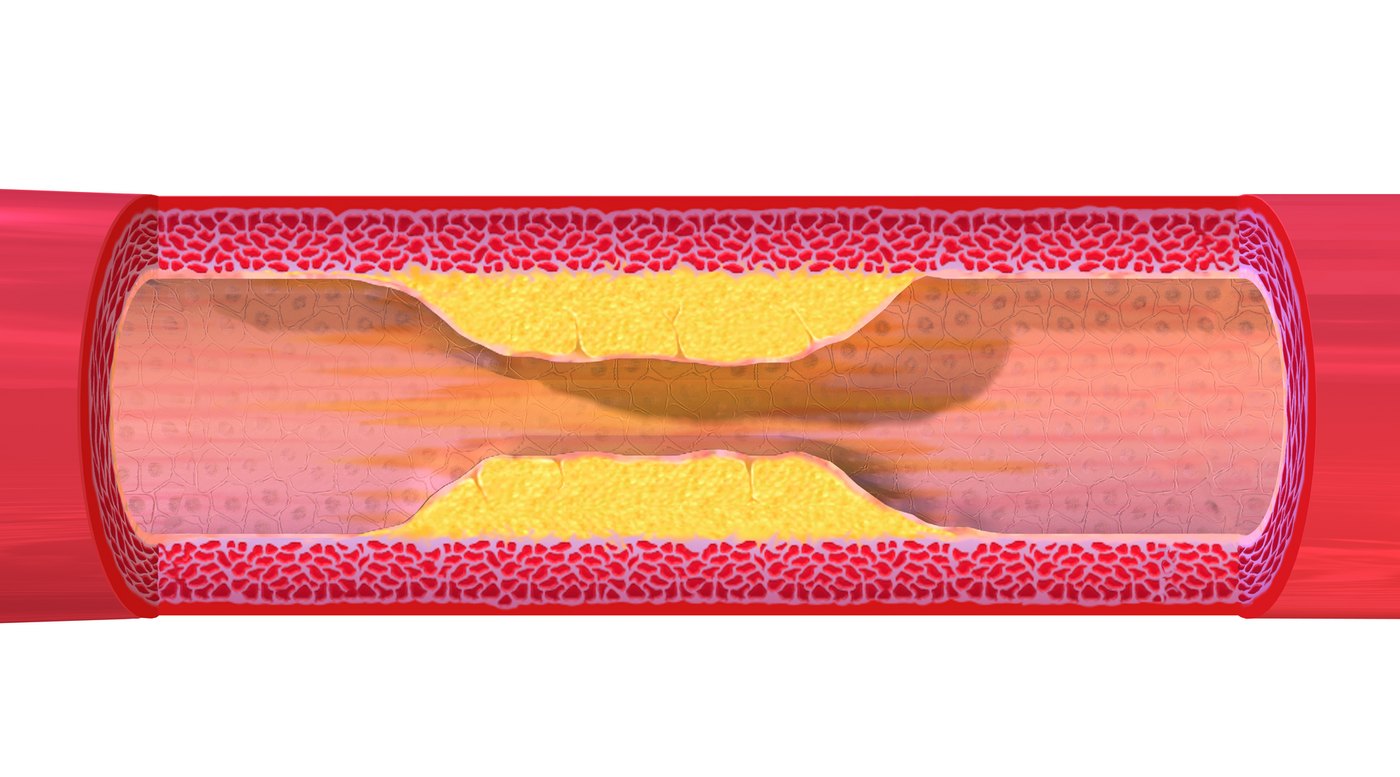
Cholesterol is a waxy, fat-like substance your body needs to build cells, make hormones, and digest food. Your liver produces all of it you require. The problem is not cholesterol itself but having too much of it circulating in the blood, where MedlinePlus describes it combining with other substances to form plaque that sticks to artery walls.1 That buildup is atherosclerosis, and in the arteries feeding the heart it becomes coronary artery disease .
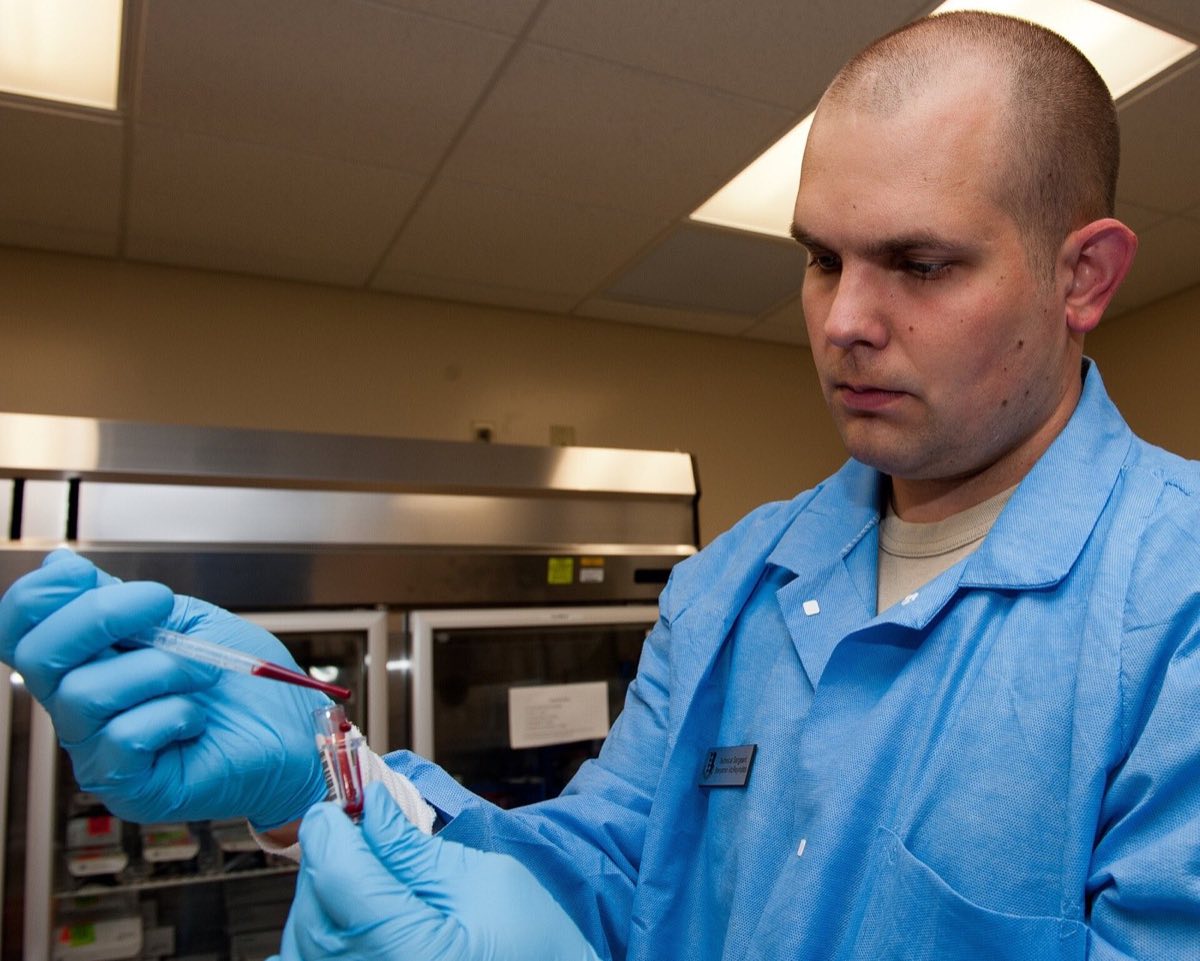
A cholesterol test, also called a lipid panel, reports several numbers, not one:
- LDL, low-density lipoprotein, the one that drives plaque buildup. This is the number most treatment aims at.
- HDL, high-density lipoprotein, which carries cholesterol back to the liver to be cleared. It works against plaque buildup.
- Triglycerides, a different type of fat in the blood, measured on the same panel.2
What counts as too high for you is not a single cutoff. The same LDL means something different in a 35-year-old with no other risk factors than in a 60-year-old who smokes and has diabetes, which is why the number gets read against the rest of your history rather than on its own.
Does High Cholesterol Cause Symptoms?
MedlinePlus states it directly: there are usually no signs or symptoms that you have high cholesterol.1 Plaque accumulates over years without producing any sensation at all. Nothing hurts, nothing feels different, and there is no point at which your body tells you the number has climbed.
For some people, the first sign is a heart attack or a stroke.
That is why cholesterol is checked on a schedule instead of in response to how you feel, and why “I feel fine” carries no information about your cholesterol. It is also why an abnormal result is worth acting on promptly even though nothing about your day has changed.
How Often Should Cholesterol Be Checked?
MedlinePlus gives these general recommendations, noting that timing depends on your age, risk factors, and family history:
| Age group | How often |
|---|---|
| 19 or younger | First test between 9 and 11, then every 5 years |
| 20 to 45 | Every 5 years |
| Men 45 to 65, women 55 to 65 | Every 1 to 2 years |
| Over 65 | Every year |
Children with a family history of high cholesterol, heart attack, or stroke may start as early as age 2.1
Your own history can move any of these, so the interval your physician sets for you is the one to follow.
What Causes High Cholesterol?
MedlinePlus identifies an unhealthy lifestyle as the most common cause, particularly a diet heavy in saturated fat, too little physical activity, excess weight, and smoking.
Genetics matter more than most people expect. Familial hypercholesterolemia is an inherited condition that produces high LDL from a young age, independent of diet, and it runs in families. A parent or sibling with high cholesterol in their 30s or 40s, or a heart attack early in life, is worth telling your physician about, because it changes both how early testing should start and how aggressively the number is treated.
Other conditions raise cholesterol too. Type 2 diabetes, kidney disease, an underactive thyroid, and certain medications can all push the numbers up, and treating the underlying cause can bring them back down.
When Should You See a Cardiologist for High Cholesterol?
Most high cholesterol is managed well by your primary care doctor, and that is the right place to start. A cardiologist adds something when the question shifts from the number itself to what it has already done to your arteries.
Consider a cardiology evaluation when:
- Your cholesterol has stayed above your physician’s target despite medication and lifestyle changes.
- You have high cholesterol plus another risk factor: high blood pressure, diabetes, a smoking history, or excess weight.
- There is early heart disease in your family, particularly a parent or sibling with a heart attack, stent, or bypass at a young age, or cholesterol high enough in youth to suggest an inherited cause.
- You have had any cardiac symptom: chest pressure , shortness of breath with exertion, or a fainting spell.
- You want to know whether plaque has already formed, rather than only what your risk is on paper.
A coronary calcium score shows whether calcified plaque has already formed in the arteries feeding the heart.
How We Evaluate High Cholesterol
Cholesterol numbers describe risk. Imaging describes what has already happened in your arteries. The evaluation moves from one to the other.
- A full lipid panel, plus blood sugar, kidney, thyroid, and liver testing, so a treatable cause is not missed and medication can be chosen safely.
- Your history and family history, in detail. Who in your family had heart disease, and at what age.
- An ECG , also called an EKG, a tracing of the heart’s electrical activity that can show a previous heart attack you did not know you had.
- A coronary calcium score when risk is unclear and the result would change the plan. This CT scan measures calcified plaque in the arteries that feed the heart. A score of zero is reassuring. A higher score is one input your physician weighs when deciding whether to start medication.
- A stress test or echocardiogram when symptoms suggest the heart is already affected.
If testing points to a significant blockage, Dr. Patel is a board-certified interventional cardiologist, so cardiac catheterization and stenting can be done by the same physician where clinically appropriate.
How Is High Cholesterol Treated?
MedlinePlus describes treatment as heart-healthy lifestyle changes first, with medication added when those are not enough.
- Diet. Less saturated fat, which means red meat, full-fat dairy, and many fried and packaged foods. The change that helps most is usually the one you can keep doing.
- Physical activity and weight management. Both improve LDL and HDL, and both help the conditions that travel with high cholesterol.
- Stopping tobacco. Smoking lowers HDL and damages artery walls directly, so it works against you on two fronts at once.
- Medication. Statins are the most commonly used class, and other options exist for patients who cannot tolerate them or need more than a statin provides. Lifestyle changes continue alongside medication. Medication does not replace them.
Whether you need medication is a judgment about your overall cardiovascular risk, not about your cholesterol number in isolation, and not about how hard you have tried. Plenty of people doing everything right still need a statin because of genetics.
CDC figures from 2011 to 2016 put the share of US adults who could benefit from cholesterol medicine and are taking it at about 54.5%.3 Undertreatment is the more common problem.
Living With High Cholesterol
Cholesterol management is measured in years, not weeks. Blood work is rechecked after starting or changing a medication and periodically after that, at an interval your physician sets.
Take medication consistently, keep the lifestyle changes going, and bring prior lab results to appointments. A trend over several years tells a physician considerably more than one recent number.
Frequently asked questions
Common questions about high cholesterol.
Does high cholesterol cause any symptoms?
How often should I have my cholesterol checked?
Do I need a cardiologist, or is my primary care doctor enough?
Can diet and exercise alone lower my cholesterol?
Which insurance plans do you accept?
Sources
- National Library of Medicine, MedlinePlus. Cholesterol. Updated 2025. medlineplus.gov
- Centers for Disease Control and Prevention. About Cholesterol. Updated May 2024. cdc.gov
- Centers for Disease Control and Prevention. High Cholesterol Facts. cdc.gov
Header image: BruceBlaus via Wikimedia Commons, CC BY-SA 4.0
Cholesterol Numbers Out of Range?
Tell us what's going on, and we'll call you to set up a visit.
Most appointments are scheduled within 1 to 3 days.
(409) 945-5444Denotes a required field