If your cardiologist has recommended a cardiac catheterization, here is why it’s done and what to expect before, during, and after.
What is cardiac catheterization?
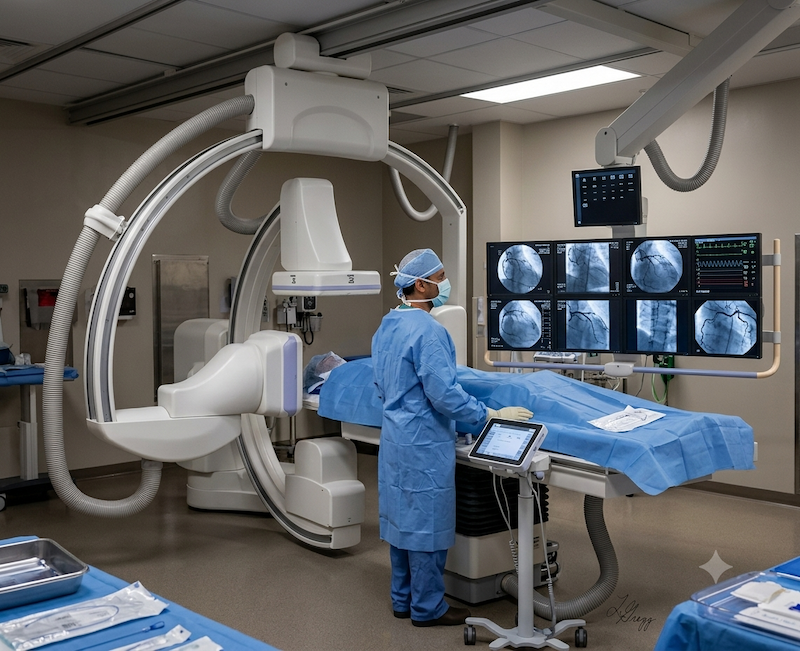
Cardiac catheterization (sometimes called a “heart cath” or, when the arteries are imaged, coronary angiography) is a minimally invasive procedure that lets your cardiologist see on X-ray how blood moves through your heart and its arteries. Thin, flexible tubes called catheters are guided through a blood vessel up to your heart.
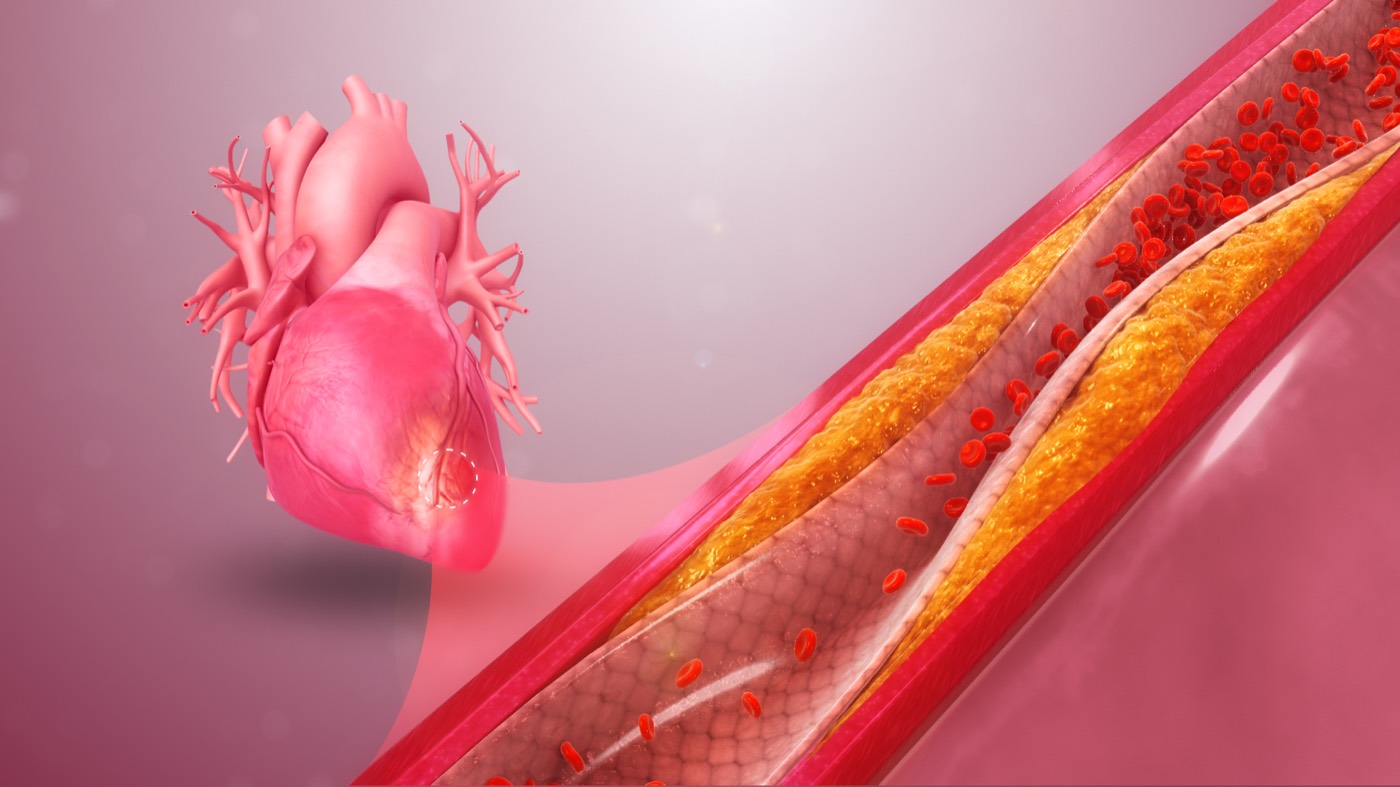
There are 2 forms. A left heart catheterization uses an artery in your wrist, arm, or leg to reach the left side of the heart, usually to perform coronary angiography, where contrast dye is injected into the coronary arteries to reveal any blockage from plaque buildup. A right heart catheterization uses a vein to reach the right side of the heart and measure pressures.
It’s used to evaluate concerns like chest pain (angina), shortness of breath, fatigue, dizziness, or palpitations, usually after noninvasive tests such as an ECG, echocardiogram, or stress test. It’s often the test used to confirm coronary artery disease . Beyond mapping the coronary arteries, it can show how well your heart valves are working and how well the heart muscle is pumping. If a significant blockage is found, your cardiologist can often open it right away with angioplasty and a stent (percutaneous coronary intervention), without open-heart surgery.
How to prepare
Before the procedure:
- Eating and drinking. Your care team will tell you when to stop eating and drinking.1
- Medications. Some blood thinners (such as warfarin or dabigatran) and certain diabetes medications need to be held or adjusted beforehand. Your cardiologist will give you specific instructions, so don’t stop anything on your own. Bring an up-to-date list of your medications.
- Allergies and kidneys. Tell your care team about any allergies, especially to contrast dye, and about any kidney problems, since you may need medicine or extra fluids beforehand.
You’ll also want to arrange for someone to drive you home, since you won’t be able to drive immediately afterward.
What happens during the procedure
You’ll get medicine through an IV that either helps you relax or puts you to sleep.2 For a diagnostic catheterization, light sedation that keeps you awake is common.
Getting started
You’ll get numbing medicine at the access site, where the catheter goes in.2 That’s most often the wrist (radial access) or upper thigh (femoral access). For a right heart catheterization, a vein in the arm, neck, or under the collarbone may be used. A small tube called a sheath is placed into the blood vessel.
Threading the catheter
The catheter is guided through your blood vessels to your heart. Most people don’t feel the catheter moving, though you may feel pressure at the access site. You may feel warm or flushed when the contrast dye is injected.
Imaging and treatment
If you’re awake, you may be asked to follow simple instructions as the X-ray camera moves around the table. The images show your cardiologist where blood is flowing freely and where it may be restricted.
If a blockage is found, there are 3 common paths: managing it with medication, treating it with angioplasty and a stent during the same procedure, or, for more complex disease, referral for cardiac surgery. If a stent is placed, you’ll usually start a second antiplatelet medicine alongside aspirin, such as clopidogrel (Plavix), prasugrel (Effient), or ticagrelor (Brilinta), to help prevent clots from forming in the treated artery.
Recovery and aftercare
Once imaging is complete, the catheter and sheath are removed and pressure is applied to the site, sometimes with a small internal plug or stitch, to close the vessel.
- If the wrist was used, you can usually sit up right away and walk to the bathroom with assistance once you’re alert. A band keeps gentle pressure on the wrist, and you’ll limit wrist movement for a few hours.
- If the leg was used, you’ll lie flat with your leg straight for several hours.
If you had angioplasty or a stent, you may stay in the hospital overnight. At home:
- Your care team may tell you to drink extra fluids to help your kidneys clear the contrast dye.
- Keep the access site clean and dry.
- Ask your care team when you can resume strenuous activity, lifting, driving, and showering.
Call your cardiologist right away if you have:3
- Bleeding at the access site that doesn’t stop with firm pressure
- Swelling, yellow or green discharge, or increasing pain, redness, or bruising at the access site
- A fever or dizziness
- A heartbeat that’s irregular, slow, or fast
- An arm or leg (the one used for access) that turns numb, weak, cold, or blue
Call 911 for chest pain, shortness of breath, or signs of a stroke.
What are the risks?
A small bruise and some tenderness at the access site are normal. Late complications are rare but can be serious.3 The National Heart, Lung, and Blood Institute (NHLBI) lists these possible risks:2
- Bleeding or discomfort where the catheter was inserted
- Blood clots
- An allergic reaction to the contrast dye
- An irregular heart rhythm
- Infection
- A drop in body temperature (hypothermia)
- Low blood pressure, from bleeding or as a reaction to the procedure
- Damage to a blood vessel, a heart valve, or the heart from the catheter
- A collapsed lung
- Side effects of the sedation medicine or of the radiation
- Needing a blood transfusion, or emergency surgery to repair a torn blood vessel
- Heart attack or stroke
When to talk to a cardiologist
If you’ve had chest pain or shortness of breath that hasn’t been explained, or tests suggesting a possible blockage, a cardiac catheterization may be one of the next steps. If you have chest pain now, call 911. We can review your symptoms, test results, and history with you and help you decide whether the procedure makes sense. Our guide to when chest pain needs a cardiologist covers the warning signs, and we see patients at our Clear Lake City and Texas City offices.
Sources
- National Heart, Lung, and Blood Institute. Cardiac Catheterization: Preparing for the Procedure. Updated March 2022. nhlbi.nih.gov
- National Heart, Lung, and Blood Institute. Cardiac Catheterization: During the Procedure. Updated March 2022. nhlbi.nih.gov
- National Heart, Lung, and Blood Institute. Cardiac Catheterization: Recovery. Updated March 2022. nhlbi.nih.gov